 Case Studies
 Skills
 Research
 Strategy
 Design
Solving UX Strategy Challenges for Some of America’s Largest Organizations
Understanding Design Strategy
An effective UX strategy includes multiple disciplines and areas of focus, including branding initiatives, product/project scope, goals and objectives, but should never lose sight of core tenets like perceived value, intuitive usability and global accessibility.
Understanding a user’s purpose and intent is key. Customer journey mapping is a proven way to ensure success for strategies large and small – from digital presentations to high-level business initiatives.
- Created Design and Strategy Process for Design Services
- Created Mobile Everything Strategic Initiative
- Designed Self-Service Password Management (SSPM) Employee Journey Flow
- Unified Portal Strategy & Framework
- Created Design Ops & Design Thinking as a Service Strategy
- Strategy and design of Harland Clarke’s enterprise CMS solution used by Wal-Mart, Costco, and Staples
Creating enterprise-wide strategies for design solutions for over 3 decades. Click the strategies below to view a few solutions I've created over the years.


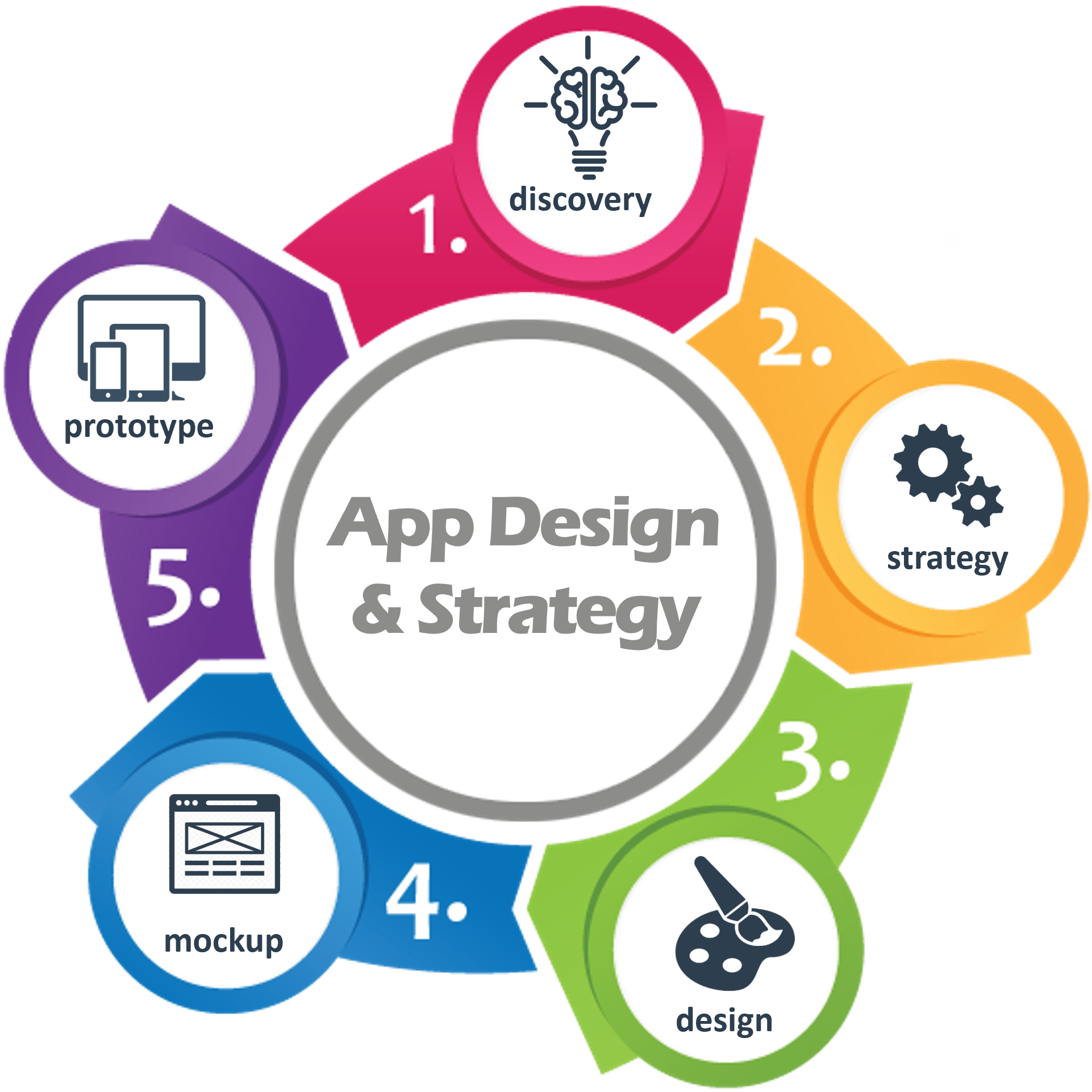
I built the Design & Strategy Process as a practical 3- to 9-week roadmap that explains how workshops, overlapping steps, and prototype development come together, helping teams and interdepartmental clients understand the workflow, plan their time and resources, and see what’s required to deliver a solution that truly serves its intended audience. There are 5 aspects that create the roadmap:
- Discovery
- Strategy
- Design
- Mockup
- Prototype
This structure gives interdepartmental partners a clear understanding of the workflow, shows where steps run concurrently, and provides a realistic way to plan time and resources for delivering an effective, validated solution.
Creating Clear Expectations for Customers

DISCOVERY

STRATEGY

DESIGN

MOCKUP

PROTOTYPE
Creating the 8 Keys to Collaborative Success
This strategy was created to promote communication across the organization. Because disparate implementation of multiple solutions doesn't improve processes, enhance decision-making, or enhance productivity, the value of a single, device agnostic digital collaboration strategy is clear.
The ECS enables and encourages productive engagement and interaction. I introduced the Digital Collaboration Strategy, enabling and encouraging productive engagement and interaction among teams, departments and coworkers. I developed 8 key digital collaboration strategies recognized as having a positive impact across an organization.
Digital Collaboration Transformation
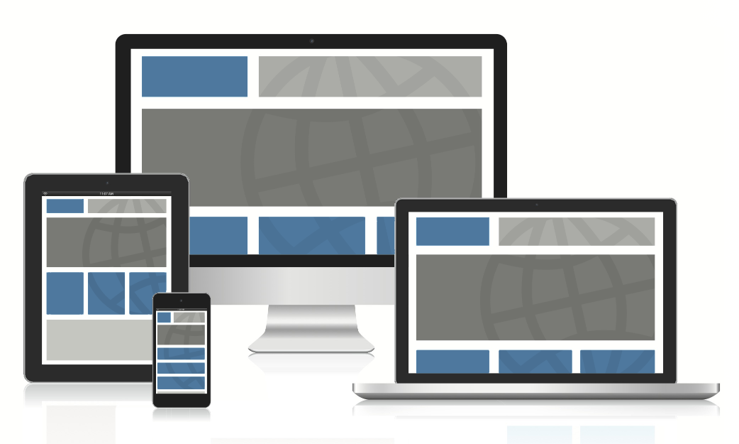
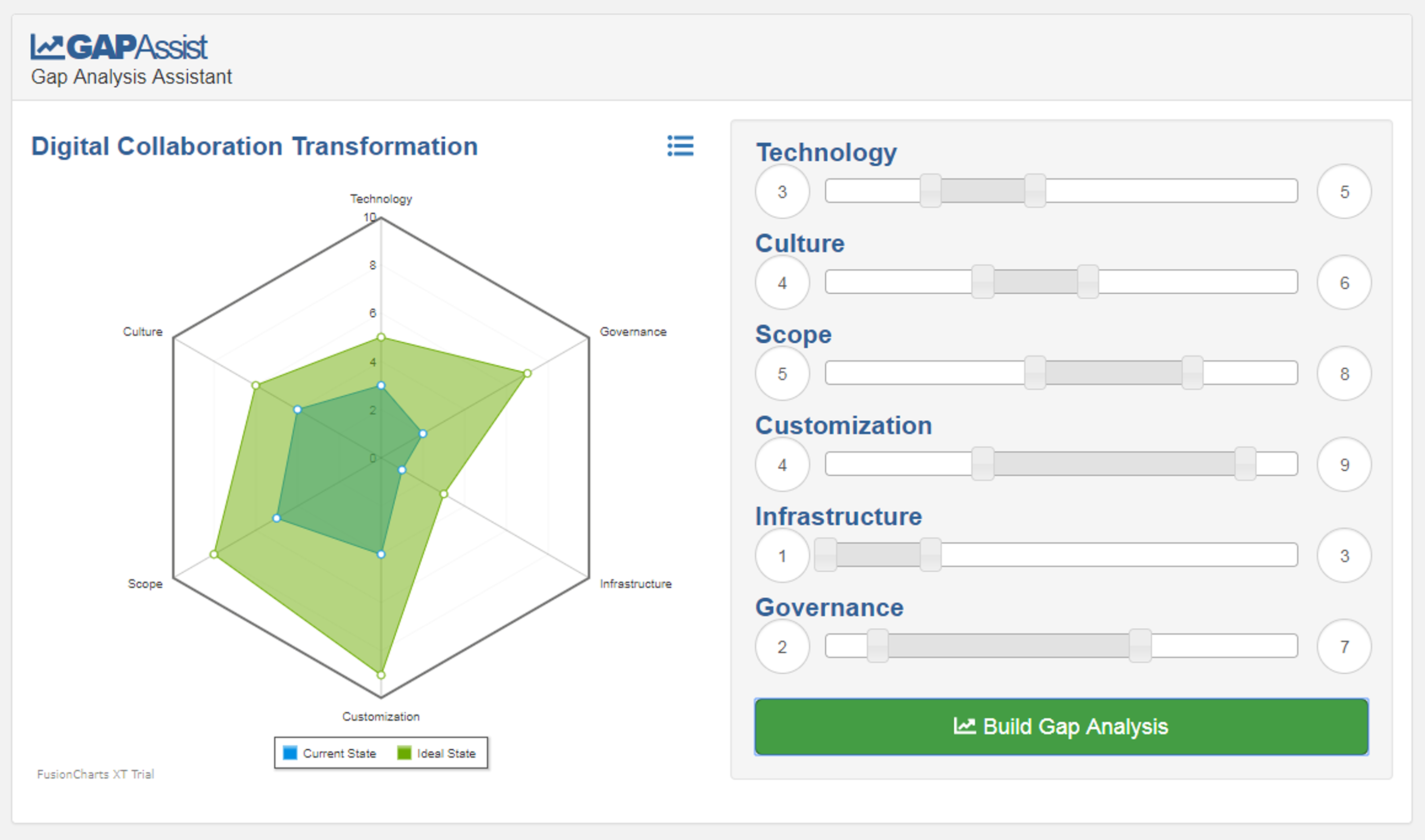
I created the Gap analisys app to help participants discover their path to collaborative success. Participants complete fields and click the 'Build Gap Analysis' button to display a radar graph with both current and future state points that can be shared with leaders and coworkers.
A step-by-step analysis of each point is summarized with an overall score and is sent to the participant’s email address (captured at sign-on), providing easy-to-follow guidelines to keep track of progress. The participant is encouraged to return often to re-calculate their current state and update any future state goals.
I introduced the DesignOps concept to express the importance of defining the role of design in the business process and how to isolate developers and business partners from the design process. The goal was to create a streamlined approach to providing the user interface, experience, and journey.
A DesignOps strategy is an operational model for streamlining the inception-design-development process. DesignOps iterates with the life cycle of the project/product but carries the most weight in the earliest stages of creation and collaboration.
Like DevOps, DesignOps success depends on multiple iterations during the research, design, and development phases. Strategists work directly with customers to improve communication and collaboration results.
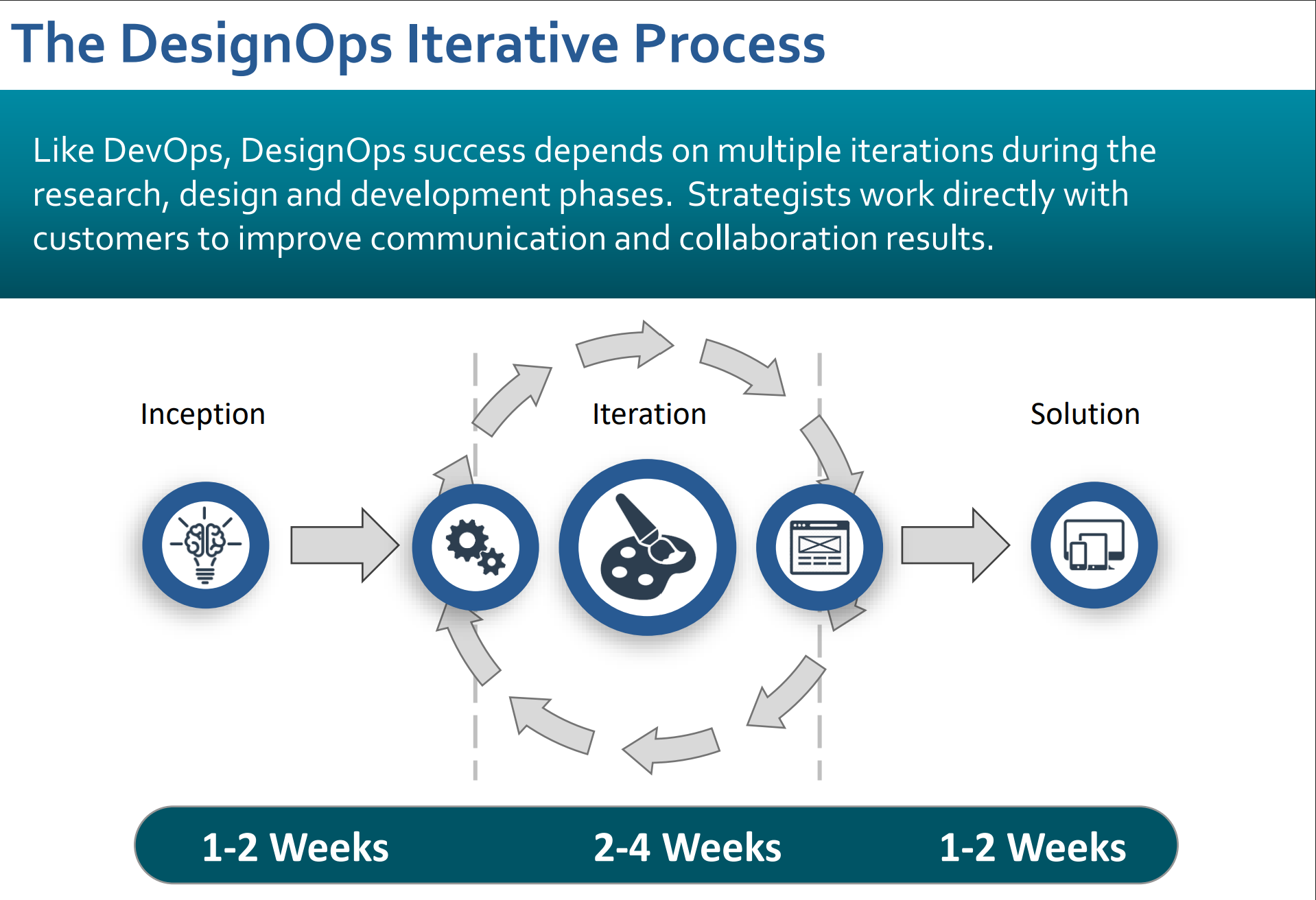
I defined the DesignOps practice by three key enterprise factors:
- How we collaborate
- how our effort creates quality work for our customers
- how our work creates impact throughout the organization
DesignOps establishes processes and measures that support scalable solutions for challenges, so designers focus on design.
- Relationship building
- Role definition
- Work environment
- Fluid onboarding
- People development
- Rituals and meetings
- Formal intake process
Collaboration
- Standardize process
- Create consistency
- Leverage research
- Allocation
- Accurate estimation
- Balance workflow
- Collaboration
Effort
- Metrics
- Standards
- Success stories
- Value definition
- Skills training
- Playbooks
- Rewards and recognition
Impact
The UPF, Unified Portal Framework, was created to connect digital experiences throughout the organization by leveraging employee experience platforms from a single point of entry.
A unified workplace where tech-based solutions and tools allow employees to be productive, creative and engaged at any time and in any place.
From applications that are totally mobile to those used on-prem only, employees have a single point of entry for the tools they use every day.
A single, common vision ensures all employees can quickly and effectively align daily work to fit the needs of the organization. A common vision ensures enterprise-wide alignment.
Common Vision
A best practice is a method or technique that has been generally accepted as superior to any alternatives because it produces results that are greater to those achieved by other means.
Best Practices
The UPF taxonomy covers all types of physical and conceptual entities at all levels of granularity and ensure all employees can effectively communicate across the organization.
Taxonomy
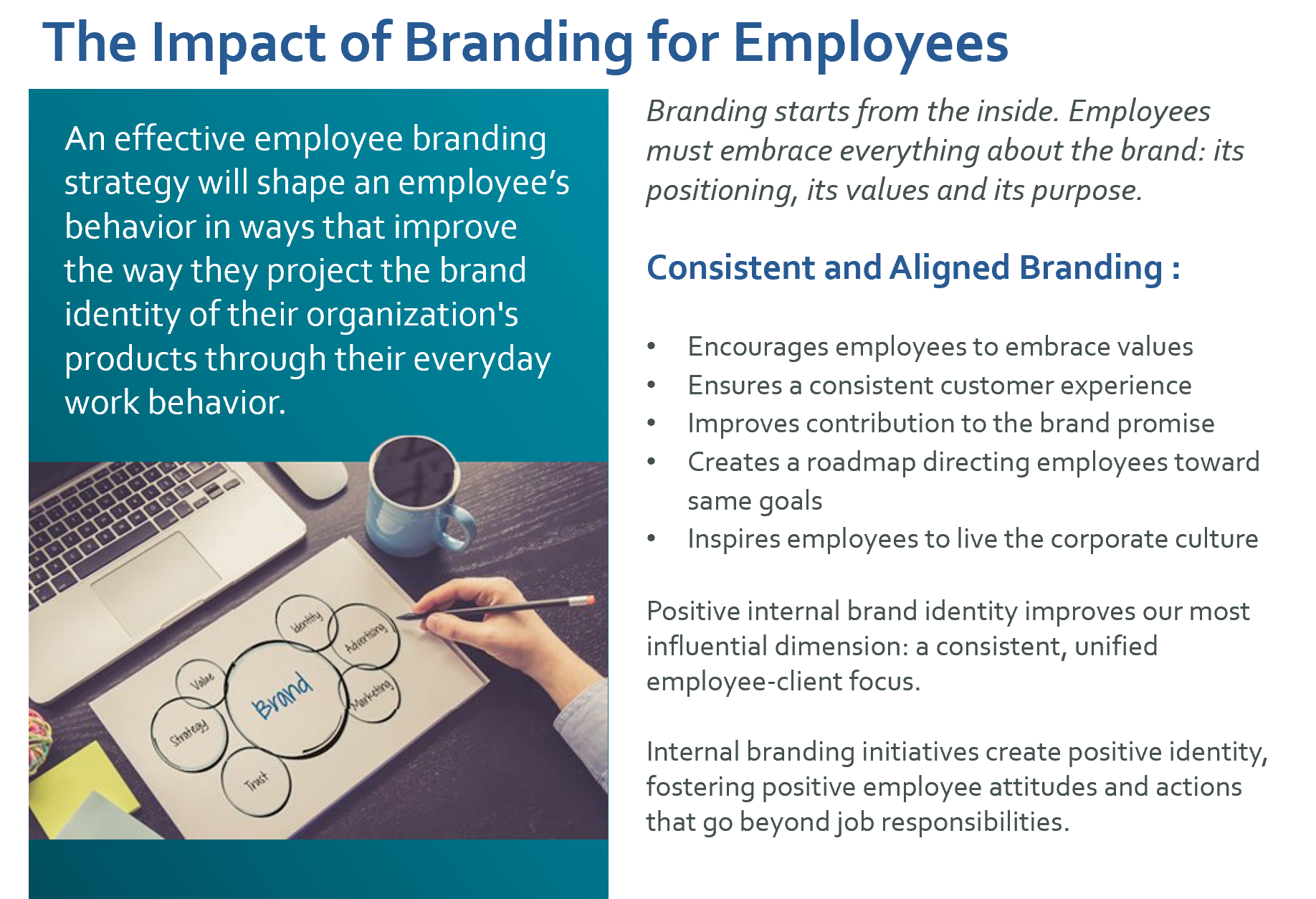
A major component of the UPF is employee engagement. Studies show companies with highly engaged workforces outperform their peers by as much as 147%. One way to state that is "branding for employees" works.

Implementing UPF Strategies
The first success story for the UPF strategy was the Mobile Everything initiative and the single point of access app, LaunchPad. These initiatives generated many benefits for the organization.
employees
Work Force
Leaders, FTEs, contractors
User Personas
hours/year
Time Savings
million/year
Cost Avoidance

About this site...

- What was the inspiration?
Less inspiration and more "portfolios are required" for design professionals. - How was it built?
I opened TextPad9 and started knocking out code. I grabbed a page I built previously (to speed up the structure) and design cues from my résumé and career highlights documents, so everything would have a "cohesive" look and feel.
- What's the purpose?
Showcase my digital design skills, accomplishments, and contributions. - What's the tech stack?
There isn't one. It's the latest version of Bootstrap5, HTML5, CSS3, vanilla JavaScript, a CSS animation framework (for the bounce), some PHP (for the intake form), and some art. I used svg images for all the icons so it's easy to change color programmatically.